City vs. Suburbs – November Philly Market Update – Snow, School and New Changes
City vs. Suburbs: A Philly Family Conversation
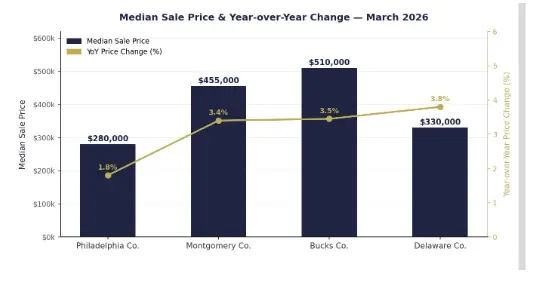
It’s been a cold start to the year here in Philly, and after our biggest snowfall in years, I know many of us are already counting down the days until spring! In the meantime, I’m excited to share this month’s newsletter, which covers a few key topics to help you stay informed and ahead of the market. We’re taking a look at what it’s like to live and raise a family in the city vs. the suburbs, along with the latest market updates across Philadelphia and the surrounding counties. I’m also sharing some exciting changes happening in my business as I grow, rebrand, and launch new tools and events designed to better serve my clients in 2026 and beyond.
January always feels like a natural time to reflect—not just on the market, but on the bigger life decisions that shape our families. One topic that comes up constantly in conversations with clients (and even in my own house) is the choice between city living and suburban life, especially here in Philadelphia and the surrounding counties. There’s no one-size-fits-all answer, and that’s exactly what makes the conversation worth having.
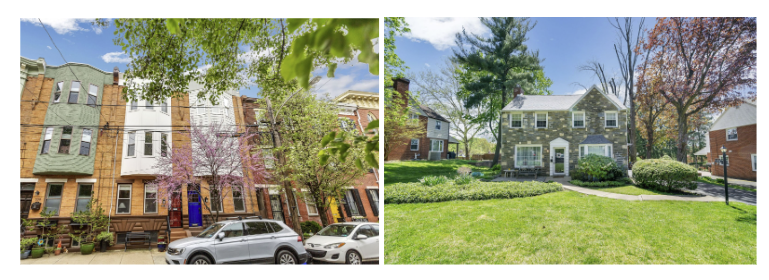
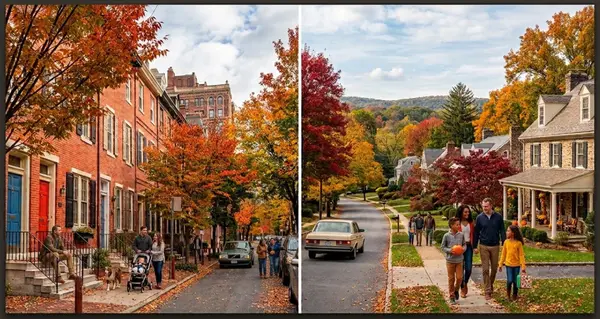
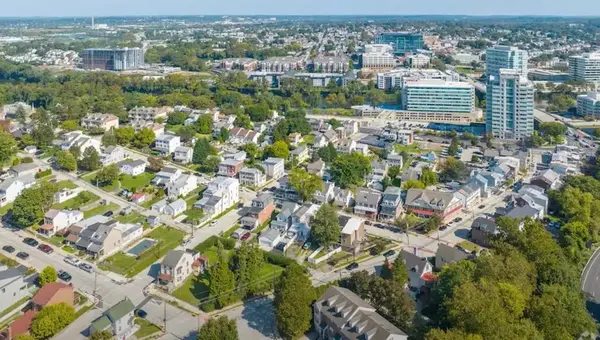
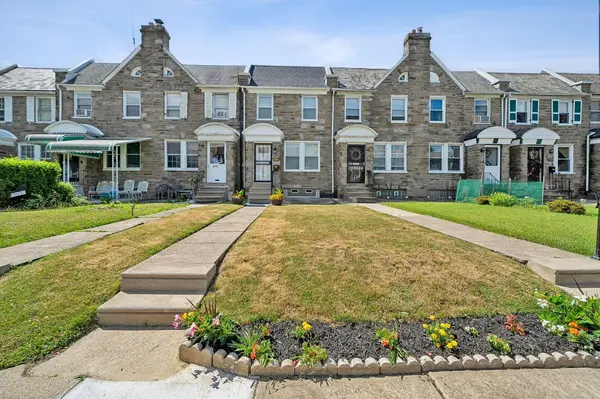
Living and raising kids in the city versus the suburbs is something my wife and I have debated for years—long before our youngest was born. We both grew up in the suburbs (me in Montgomery County, her in Bucks County), where much of our family still lives; today, we’re raising a pre-K kid and a second grader in the city. City life offers walkability, diversity, culture, and a sense of independence for kids at a young age—being able to walk to school, parks, playgrounds, museums, and neighborhood spots creates a connected, energetic lifestyle. On the other hand, suburban living often means larger homes, driveways and yards, quieter streets, and highly regarded school districts—things that become more appealing as families grow and priorities evolve.
When it comes to schools, lifestyle, and finances, both city and suburban options shine in different ways. In the city, families navigate public, charter, magnet, and private schools, often prioritizing community, commute, and flexibility. Suburban schools are typically tied to the township and funded by higher property taxes, which can translate into newer facilities, larger campuses, and expanded programs; however, those taxes are part of the trade-off. City homeowners may benefit from lower property taxes and proximity to work, dining, and culture, while suburban buyers often gain space, storage, and long-term flexibility. Neither is “better”—they simply serve different needs at different stages of life.
So I’m curious—what made you choose where you live?
Was it schools, space, taxes, family nearby, walkability, or just a gut feeling that it felt like home? Have your priorities changed over time, or are you exactly where you always planned to be? I work closely with both city and suburban families every day, helping them think through these same questions as their lives evolve. If you’re considering a move now, or just starting to explore what might come next, I’m always happy to be a resource and talk through the options with you.
Snow, Sports and Business Growth!
It’s been a wild winter already with the biggest snowfall in over five years! While it was beautiful to look at, it certainly made travel tricky, and I know many parents (myself included) are counting the days until the kids are back in school. My family loves sledding (FDR Park), building legos, and playing with every toy in the house and not putting them away. What are some of your favorite snow day activities?
On the sports front, the Eagles’ season ended in disappointment, but for the next couple of weeks, we can still say we’re the reigning Super Bowl champs. And of course… there’s always next year. Luckily, baseball season is around the corner! I’m about to order for the new Phillies schedule magnets (see above) for the 2026 season. I’ll be sending them out by the end of next month. If you’ve moved, didn’t get one last year, or want an extra for work or the fridge, just let me know.
This winter has been a busy one behind the scenes! While I am still proudly with Coldwell Banker Realty, I’ve reached an exciting milestone: I’m officially building a real estate team and in the process of rebranding everything. Starting next month, you’ll notice some changes in these emails and across my marketing.
These changes come with major benefits for my clients. My new website will be more than just a place to search listings — it will be an educational hub covering real estate trends across Philadelphia and the suburbs, and it’ll also archive all past newsletter topics so you can revisit anything you missed.
And yes, I’ve got some new client events coming your way in addition to the annual Phillies game outing, free photoshoots, and happy hours. I can’t wait to share more, and to keep giving current, past, and future clients the value, knowledge, and care they deserve.
I truly appreciate the trust and relationships I’ve built with so many of you over the years. If real estate is on your mind in any way, now or in the future, don’t hesitate to reach out.
Stay safe and warm!
Brad
The Gellman Team
Coldwell Banker Realty
325 Chestnut St. Suite 1300
Philadelphia, PA 19106
P: 267.259.0134
E: gellmanrealestate@gmail.com
Categories
Recent Posts




"My job is to find and attract mastery-based agents to the office, protect the culture, and make sure everyone is happy! "